SysTox
Humans are constantly exposed to a huge number of environmental factors, known collectively as the exposome, that may contribute to adverse health effects through complex biological mechanisms and interconnected molecular pathways. Understanding how these exposures influence human health is one of the greatest challenges of modern toxicology.
How can toxicology address such complexity today?
At SysTox, we combine computational toxicology (CompTox), artificial intelligence (AI), and experimental studies of molecular interactions between chemicals and living systems (BiochemTox) to better understand and predict toxicity mechanisms. Our research integrates Adverse Outcome Pathways (AOPs) to connect molecular initiating events with biological responses across multiple levels of biological organization, supporting next-generation risk assessment and Safe and Sustainable by Design (SSbD) strategies.
By combining AI-driven data analysis, bioinformatics, network biology and integrative systems toxicology, we develop innovative methods to explore, model, and predict the impact of environmental exposures on human health. These approaches provide powerful and ethical alternatives to animal testing while enabling a more mechanistic and predictive understanding of toxicological processes.
The SysTox team leads and contributes to several French and European collaborative research projects dedicated to exposome research, predictive toxicology, AOP-based approaches, and Safe and Sustainable by Design innovation.
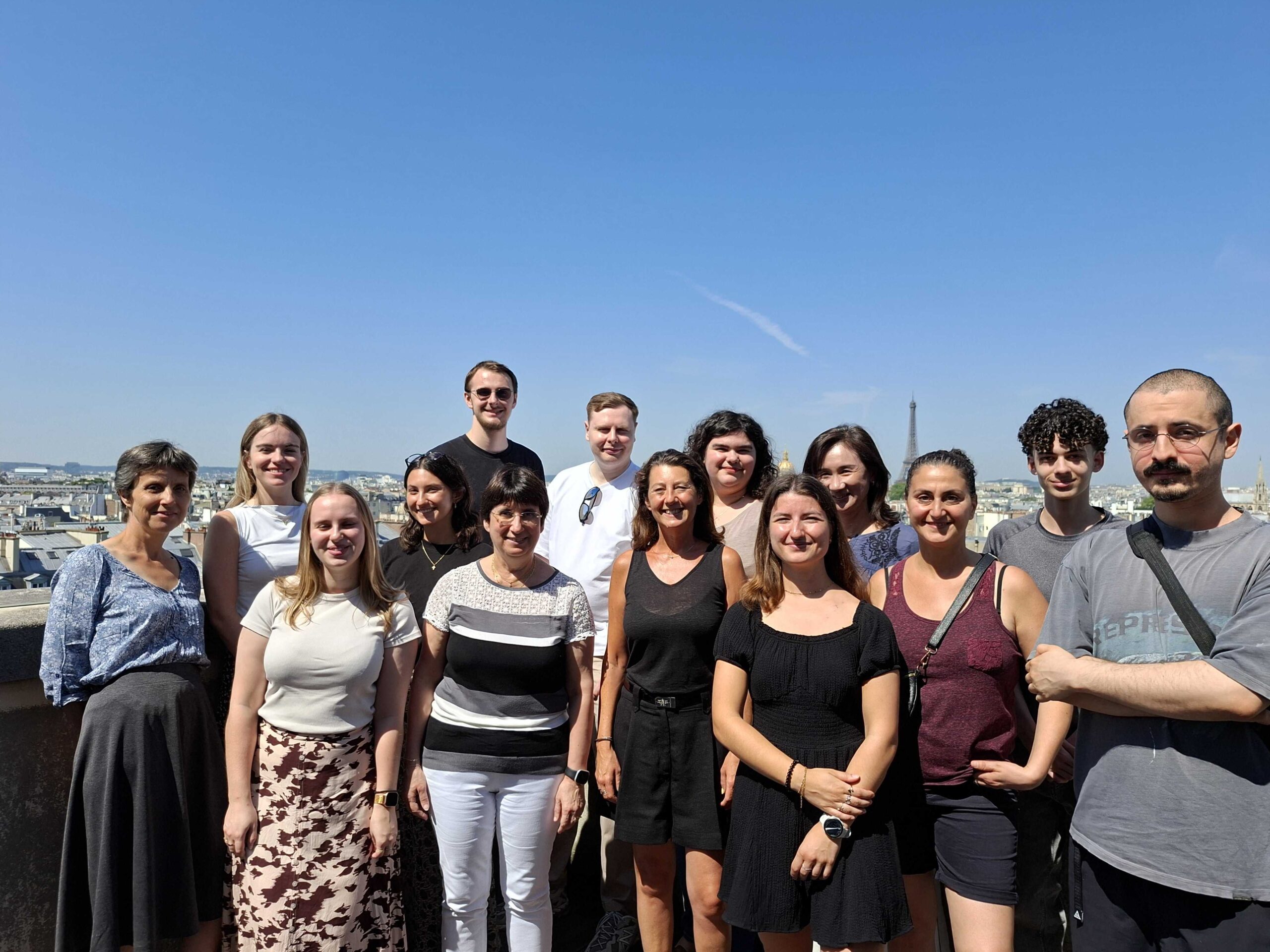
The SysTox team, led by Prof. Karine Audouze, is part Inserm (Unit HealthFex UMRS 1124) at the Université Paris Cité.
News